Feeds:
Posts
Comments

I have a few favorite literary fictional heroines:  
  • Elizabeth Bennet from Pride and Prejudice;
  • Jane Eyre from Jane Eyre; and
  • Dolores Price from She’s Come Undone

What makes them so special?  Why am I drawn to them?  Why do I respect them? I’ve been wondering what it is that makes their character so likable.

What impresses me the most, I’ve concluded, is the fact that they each have the courage to speak up for themselves.  They share the common thread of telling it like it is; no matter the cost.

I posed the question (“Who is your favorite fictional heroine?”) to a few friends.  Here’s how they responded:

*   *   *  

  • Jody:  I think mine might be Scout from To Kill a Mockingbird.  
  • Erin:  Becky Sharp from Vanity Fair (Thackeray), Lisbeth Salander from the Dragon Tattoo (crappy books, compelling character) and Helena (much ado).  Also, Imogene Hurdman from the Best Christmas Pageant Ever.  Those are the first that come to mind.
  • Blair:  Nothing so lofty I am afraid, Rebecca Bloomwood, Bridget Jones and Jennifer Cavalleri
  • Jennifer:  Nice choices! I liked She’s Come Undone, even though reading the book made me feel ill at certain parts. Such a story.  My fave will always be Elizabeth Bennet, because she says what she wants and doesn’t care what society thinks of her. I also like Katniss Everdeen from The Hunger Games, who was strong and brave and loved her family. I also like Alice from Alice’s Adventures in Wonderland, who never forgot her manors even in the strangest of places, and Jadis, The White Witch who ruled Narnia with a frosty fist.
  • Jasmine:  Elizabeth Bennett, Harriet Vane, Miss Climpson,  Jo from Little Women, Imogen Quy from the detective series by Jill Paton Walsh. …. I could go on but that’s enough for now surely!
  • Janice:  Elizabeth Bennet is one of my favorites too — but then again, so is Jo from Little Women and, of course, Scarlett O’Hara from Gone With the Wind.  Do we see a pattern here?
I wonder.  Do we see a pattern?   Do you have a favorite?
If so, what is it that makes her so compelling?
* * *

Lily Bart is caught up in materialism.

The tragic heroine of The House of Mirth was raised to believe that success is to be measured solely by what one owns; social status; money; “making it.”  It’s a lie of course.

In chapter six, there’s a brief sense of liberation when Selden offers a different view.  Lily had had an inkling of it all along.  Most of us feel the truth that way.  A deep-down-inkling.  His words (or Wharton’s words) are worth reflecting on.  Worth living by actually…

*   *   *

“My idea of success,” he said, “is personal freedom.” 

“Freedom? Freedom from worries?”

“From everything–from money, from poverty, from ease and anxiety, from all the material accidents. To keep a kind of republic of the spirit–that’s what I call success.”

She leaned forward with a responsive flash. “I know–I know–it’s strange; but that’s just what I’ve been feeling today.”

He met her eyes with the latent sweetness of his. “Is the feeling so rare with you?” he said.

She blushed a little under his gaze. “You think me horribly sordid, don’t you? But perhaps it’s rather that I never had any choice. There was no one, I mean, to tell me about the republic of the spirit.”

“There never is–it’s a country one has to find the way to one’s self.”

“But I should never have found my way there if you hadn’t told me.”

“Ah, there are sign-posts–but one has to know how to read them.”

– From Chapter 6, The House of Mirth by Edith Wharton

*   *   *

Blarney

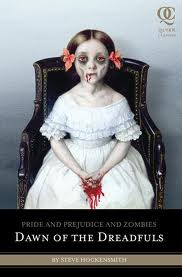
Austen mash-up readers may recognize the name of Steve Hockensmith.  He’s the author of the New York Times bestseller, Pride and Prejudice and Zombies: Dawn of the Dreadfuls and Dreadfully Ever After.

His new book, Blarney, is deplete of any Bennet sisters and nasty unmentionables though.  It’s a collection of detective/crime short stories.

I usually don’t read this genre, but since I like Hockensmith’s writing so much, I took a chance.  And, have no regrets.  The stories are well-written with interesting characters with a few epiphany-like endings, which I of course delight in.

I’m also a big fan of short stories in general; I love anthologies.  Always have.  Maybe it’s because there’s less of a commitment to make when picking-up a book of short stories; you can start anywhere you like; and jump around more freely.

The key though to a good short story is that it must be…good.  Maybe better-than-good.  The words have to be pithy and concise and move at a quicker pace than, say, a 70,000 word novel.  You need that certain knack to make it happen.  Like Kafka.  (The Metamorphosis is a novella with only 42 pages; a 21,810 word count).

Pride and Prejudice and Zombies; Dawn of the Dreadfuls

Blarney is a quick, fun, and humorous read.  It’s full of short mysteries — with cops and robbers — and happy endings.  A good number of the crimes are solved by the recurring and likable character, Larry Erie.

Erie is a street smart former police officer who has recently lost his wife and reluctantly turns to private detective work with the encouragement of his lovable and more sociable friend, Bass.

In Blarney, you’ll find crime, guns, beer, baseball and…lots of animals.  If you’re looking for a trace of Jane Austen, it won’t be found.  Maybe a trace of Jimmy Breslin/Ace Ventura…but no Austen.

All in all, I would read anything by Steve Hockensmith as he is simply a gifted writer and one I will continue to follow.

Many people leave the church; many return.

Coming November 2012

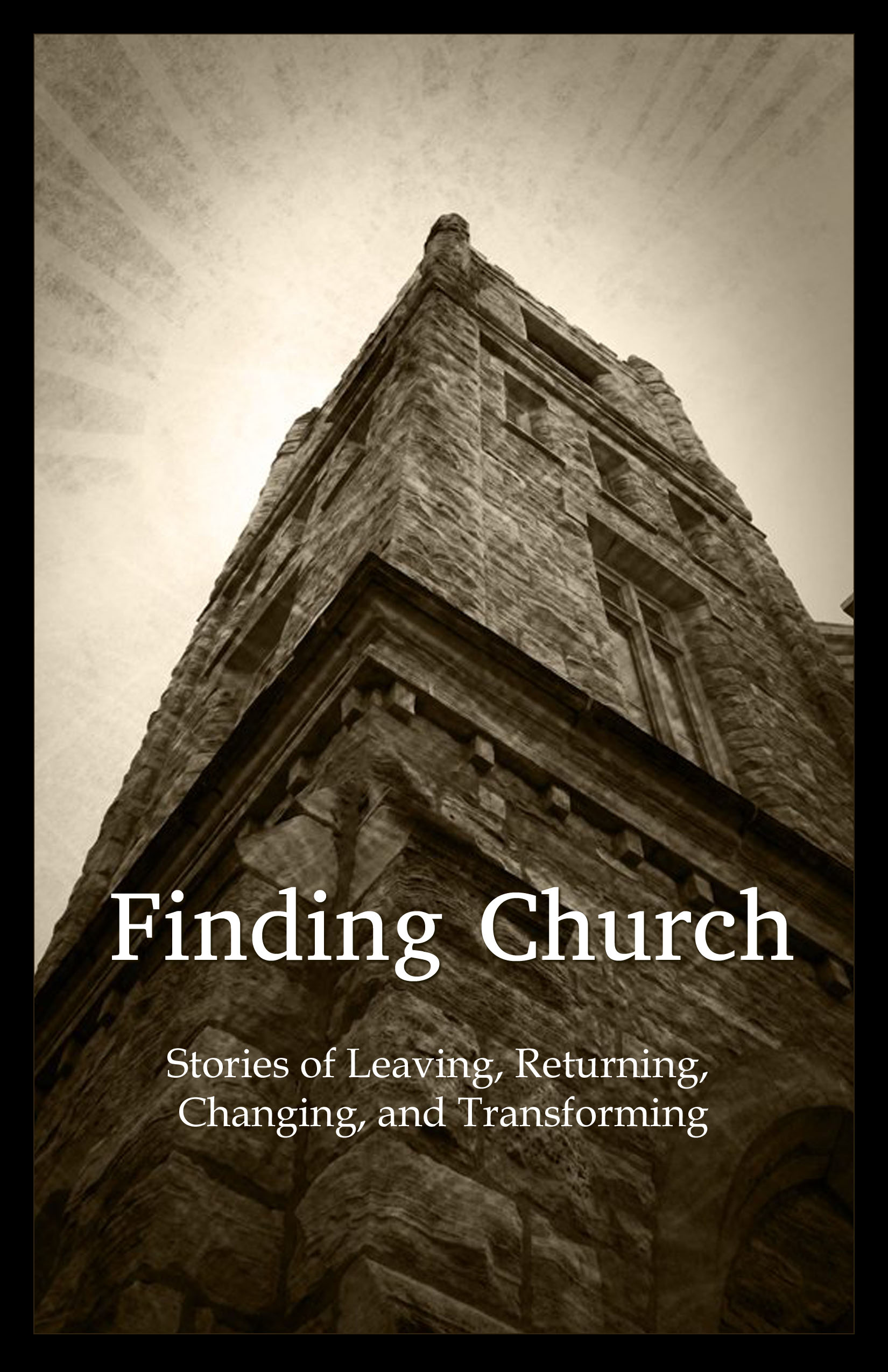
My story, Jumper Cables, is included in the new book, Finding Church (Stories of Leaving, Returning, Changing & Transforming) coming in November from Civitas Press.

I’m in the “returning” camp.

It’s a story about imperfection; a human trait that will never be in short supply.

Grateful again that my words will go further than my own laptop.

Imperfectly yours,

Mary